

Cincinnati Bengals Star Lands on NFL’s Most Overpaid List
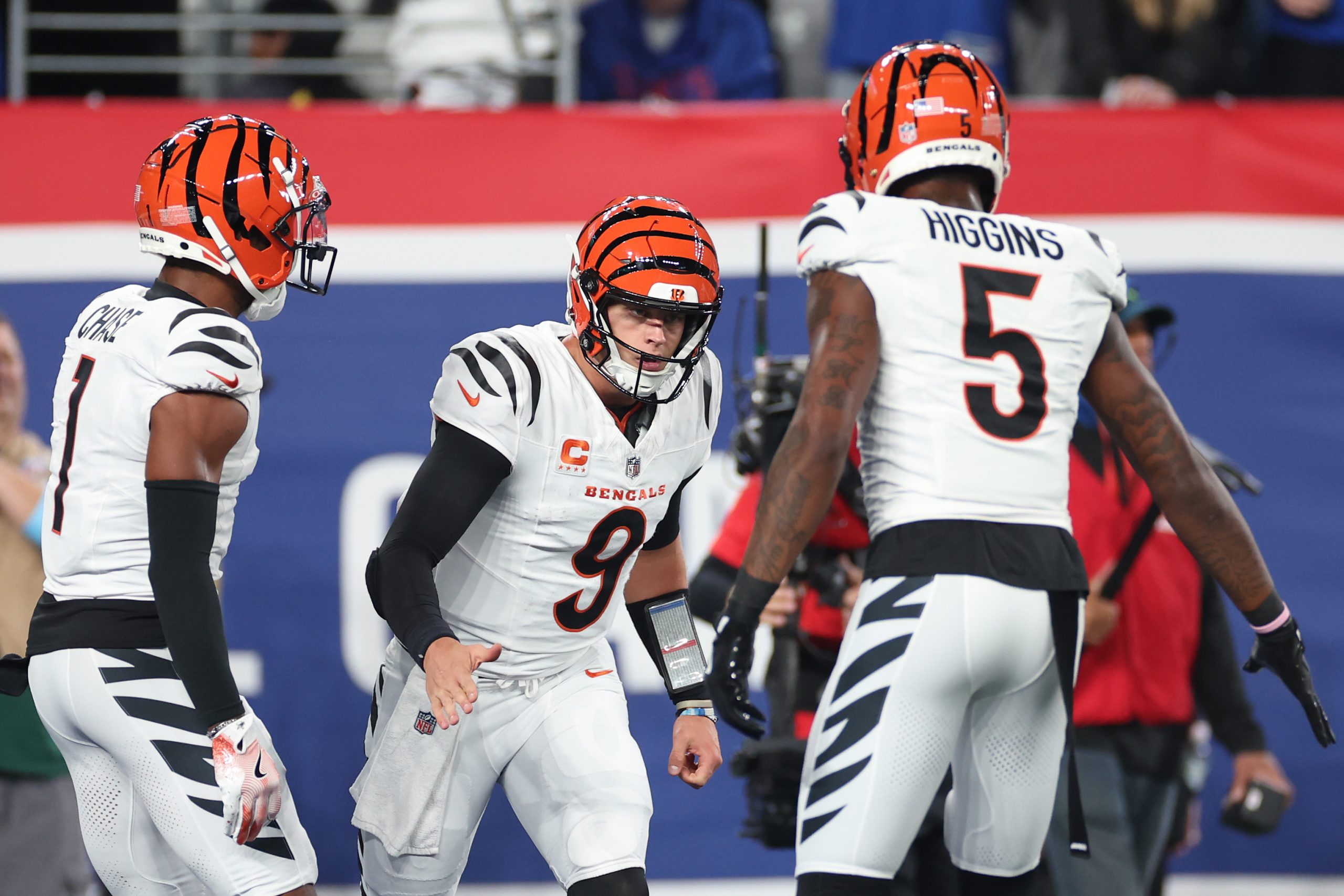
Cincinnati Bengals star A.J. Green has recently found himself at the center of controversy as he was named one of the most overpaid players in the National Football League (NFL). This designation has sparked a heated debate among fans, analysts, and fellow players alike.
Green, a wide receiver for the Bengals, has been a standout player since he was drafted in the first round of the 2011 NFL Draft. Known for his speed, agility, and exceptional catching ability, Green quickly made a name for himself as one of the top receivers in the league. His impressive stats and highlight-reel plays have earned him numerous accolades, including seven Pro Bowl selections and two All-Pro nods.
However, despite his on-field success, Green’s hefty contract has raised eyebrows in the football world. The Bengals signed him to a four-year, $60 million extension in 2015, making him one of the highest-paid players at his position. This lucrative deal has put immense pressure on Green to perform at an elite level year after year, leading many to question whether he is truly worth the hefty price tag.
Critics argue that Green’s production has not matched his paycheck in recent seasons. Injuries have plagued the star receiver, causing him to miss significant playing time and limiting his impact on the field. Some skeptics believe that Green’s best days are behind him and that the Bengals made a mistake by investing so heavily in an aging player with a history of health issues.
On the other hand, supporters of Green point to his track record of success and his undeniable talent. They argue that injuries are a natural part of the game and should not be held against him when evaluating his worth as a player. Green’s supporters also highlight his leadership qualities and positive influence in the locker room, citing his intangible contributions to the team’s success.
The debate over Green’s value extends beyond his individual performance and contract details. It raises larger questions about the nature of player compensation in the NFL and the league’s salary structure as a whole. With player salaries skyrocketing in recent years, teams are under increasing pressure to justify the large sums of money they invest in their top players.
Some critics argue that the NFL’s salary cap system is flawed, allowing players like Green to command exorbitant contracts without necessarily delivering commensurate results on the field. They contend that the league’s emphasis on star power and marketability has led to inflated salaries for certain players, creating an imbalance in the distribution of resources among teams.
Others see Green’s situation as a cautionary tale for teams looking to secure top talent in a competitive market. They argue that the Bengals took a calculated risk in signing him to a lucrative contract, knowing that injuries are a potential risk in professional sports. While Green’s injuries have undoubtedly been a setback for the team, supporters believe that his talent and leadership qualities still make him a valuable asset worth the investment.
As the debate over Green’s value rages on, it raises important questions about how we define success and worth in the world of professional sports. Is a player’s value solely determined by their on-field performance and statistical output, or should intangible qualities like leadership and character also factor into the equation? Should teams be more cautious in handing out large contracts to players with injury histories, or is the potential payoff worth the risk?
Ultimately, the debate over A.J. Green’s status as one of the most overpaid players in the NFL is a complex and multifaceted issue that reflects larger trends in the world of professional sports. As the NFL continues to evolve and players’ salaries continue to rise, the question of how we measure the value of a player will remain a contentious and hotly debated topic for years to come. Only time will tell whether Green ultimately lives up to his hefty contract and silences his critics, or if his designation as one of the most overpaid players in the NFL will continue to haunt him throughout his career.
Source: Newsweek



















 LIVE
LIVE LIVE
LIVE


